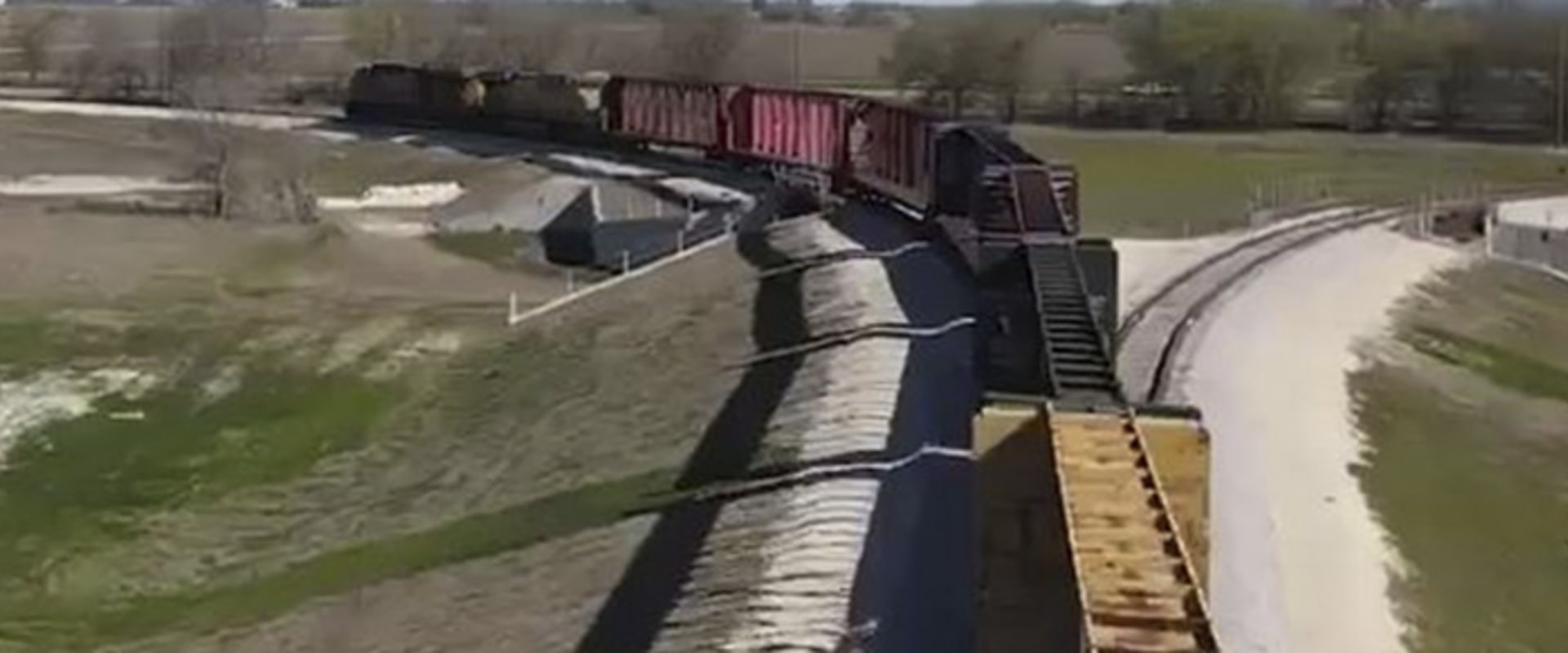
Residential moving day logistics in Austin, Texas can already be stressful due to traffic congestion, narrow streets, apartment access restrictions, and unpredictable weather conditions. However, one challenge that many new residents and even local movers often underestimate is the impact of train activity throughout various parts of the city. Austin’s railway crossings, freight train routes, and commuter rail systems can create significant delays that affect moving schedules, delivery timelines, and transportation coordination during residential relocations. While trains are an important part of the city’s transportation and industrial infrastructure, they can also disrupt carefully planned moving operations, especially in neighborhoods located near active rail crossings or industrial corridors. A moving truck delayed at a railroad crossing for an extended period may cause missed elevator reservations, delayed unloading appointments, or scheduling conflicts with apartment management teams. These interruptions can quickly create additional stress for families already dealing with the challenges of relocating their belongings across the city or to a new state.
Why Train Delays Complicate Moving Day Logistics
Austin’s continued growth has increased both residential development and transportation activity, making moving logistics more complicated than many people expect. Freight trains traveling through busy areas can temporarily block major roads and intersections, forcing moving trucks to reroute through unfamiliar neighborhoods or heavily congested streets. In some cases, delays may last much longer than anticipated, particularly during peak traffic hours or in areas where multiple train crossings affect local road access. For moving companies operating under strict schedules, even short interruptions can create ripple effects that impact multiple clients throughout the day. Residential moves often involve timed access to loading docks, reserved freight elevators, parking permits, or homeowner association requirements that leave very little flexibility once delays occur. Movers may also face additional challenges when transporting large furniture pieces or fragile items through densely populated neighborhoods where alternative routes are limited. This makes careful route planning and local experience extremely valuable during Austin relocations.
The Importance of Flexible and Experienced Moving Teams
Because train activity can be unpredictable, experienced movers often build extra flexibility into their scheduling process when handling Austin-area relocations. Professional moving teams understand which neighborhoods and roadways are more likely to experience train-related disruptions and can sometimes plan alternative transportation routes in advance. However, even with preparation, unexpected delays can still happen, particularly during long-distance relocations where precise timing is important for both pickup and delivery schedules. Families coordinating utility transfers, lease deadlines, work schedules, or school transitions may already feel overwhelmed during moving day, and transportation delays only add to that pressure. This is why many people seek assistance from an experienced long distance mover familiar with Austin’s traffic patterns, train crossings, and logistical challenges. Movers with strong local knowledge are often better equipped to adapt quickly when road access changes unexpectedly or schedules need adjustment throughout the moving process.
Austin’s Infrastructure Continues Shaping Moving Challenges
As Austin continues expanding, infrastructure limitations and transportation bottlenecks will likely remain an ongoing concern for residents and moving companies alike. Increased rail activity tied to commercial growth and freight transportation may continue affecting residential neighborhoods and major traffic corridors throughout the city. While trains provide economic and transportation benefits, they also create unique logistical complications that can significantly impact moving day efficiency. Successful residential relocations often depend on more than simply loading boxes into a truck. Careful planning, flexible scheduling, route coordination, and familiarity with local transportation patterns all play an important role in ensuring a smooth transition. For many Austin residents, the presence of active train routes is an often-overlooked factor that can influence the entire moving experience. Understanding these challenges ahead of time allows movers and homeowners to better prepare for potential delays while reducing unnecessary stress during one of the busiest days of the relocation process.